On a tight vote Tuesday evening, Democrats controlling the House of Representatives approved a bill to provide free supplies to facilitate the use of illicit drugs by people suffering from substance addiction.
Senate Bill 249 (as amended) would require the Division of Substance Abuse and Mental Health to license public programs for distributing items used for “injecting, ingesting, inhaling, or otherwise introducing substances into the human body.” These supplies include “needles, syringes, cookers, cotton, tourniquets, clean water, mouthpieces, filters, and straws.”
These programs would be designed to encourage “peer-to-peer distribution” of state-supplied sterile drug paraphernalia. Participants would be granted anonymity, but would receive referrals for primary and behavioral healthcare and vaccinations, assistance with transportation and housing needs, and enrollment in public benefits programs.
The legislation would also decriminalize the possession of drug paraphernalia, but would maintain felony violations for selling, delivering, or manufacturing the same items.
Prime House sponsor of the bill, State Rep. Nnamdi Chukwuocha (D-Wilmington),
characterized the legislation as “just an extension of the needle exchange program,” which Delaware established under legislation enacted 20 years ago. The program was updated in 2023, dropping the requirement for a one-for-one needle exchange in favor of a needs-based approach, which this proposal would mimic. “This is the next step in harm reduction programs,” he told the chamber.
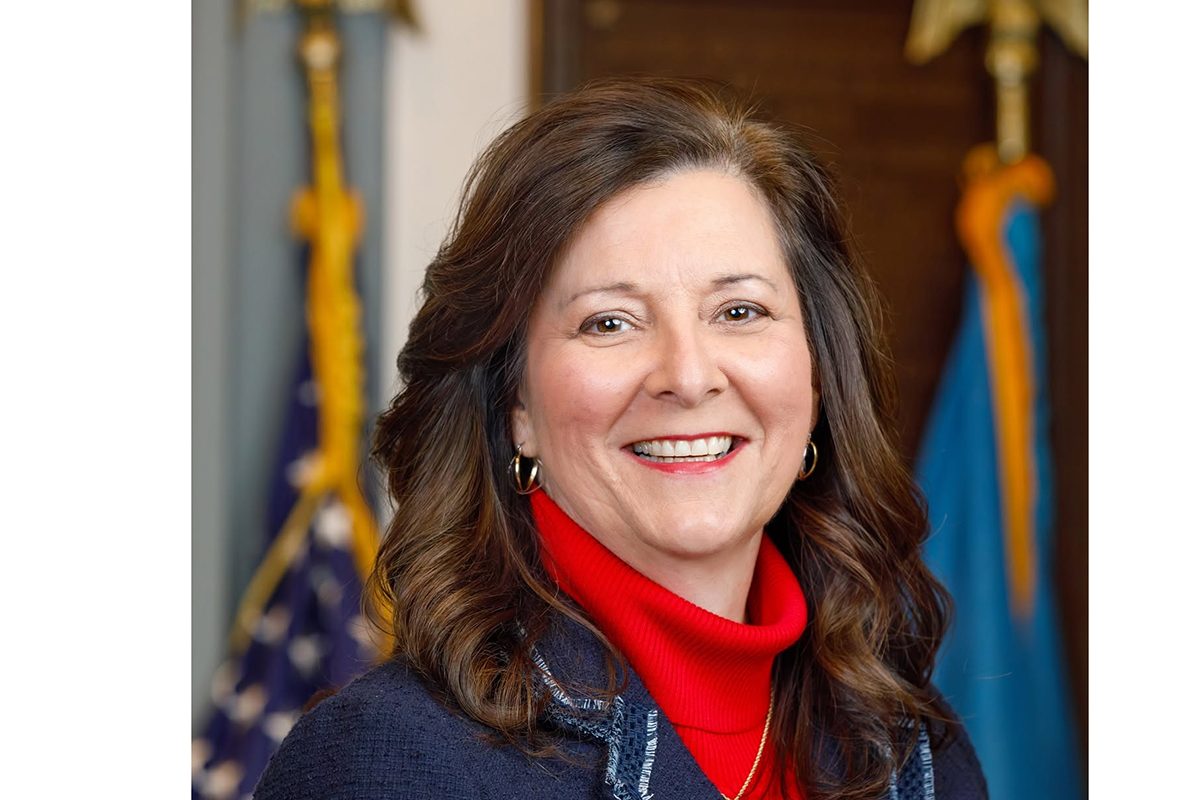
State Rep. Valerie Jones Giltner (R-Georgetown), in photo, a former nurse and a member of the House Health & Human Development Committee, said while the needle exchange program has been successful in its goals, she questioned the proposed distribution of paraphernalia.
“The syringe exchange program, which led to the syringe handout program, had tremendous results in reducing the harm of HIV,” she told the chamber. “We’ve seen those numbers drop and continue to drop.”
However, Rep. Jones Giltner noted that when the measure was before her committee last week, proponents stated its intention was to reduce overdose deaths. She said overdose deaths in Delaware are on the upswing and continue to increase, but that there is no data indicating this bill would help reverse that trend. In fact, she said it may increase it by providing the means to continue the rampant abuse of opioids and other controlled substances.
“We are basically engaging in malpractice,” she said. “We are taking the research from a research exchange program and translating it to mean that by giving them a cooker, cotton, and tourniquets, we’re going to reduce overdoses.”
Rep. Jones Giltner said the bill should be restructured to focus on what studies have verified as effective in reducing overdose deaths, including the distribution of drug test strips, Narcan, syringes, and the length of inpatient treatment. “Let’s stick with the science,” she urged her colleagues.
State Rep. Mike Smith (R-Pike Creek Valley) sounded a similar note. “My mother and my uncle both died of an overdose, he said. “I found both of them…I can understand the emotion behind wanting to support (this bill).”
But he said there is often a significant gap between feeling that something is the right thing to do and actually taking effective action. “So, I would just encourage this body to take this bill back and make it a pilot (program), he said. “It’s the perfect bill to make a pilot, to try it and test that. This is the type of thing you want to be science-based. You want it to be data-driven before we make the decision, because we want that statistic to continue to go down. I don’t want any more of my family members, your family members to have to go through that.”
Those suggestions were ignored, and the bill cleared the House 22-16, one more vote than it needed for passage. No member of the House Republican Caucus supported the measure. The legislation now heads to the governor for his expected signature.
Financing for the program will initially come from Delaware’s share of opioid settlement money collected from drug companies, distributors, and pharmacies for their role in aggressively marketing painkillers and contributing to the overdose crisis.