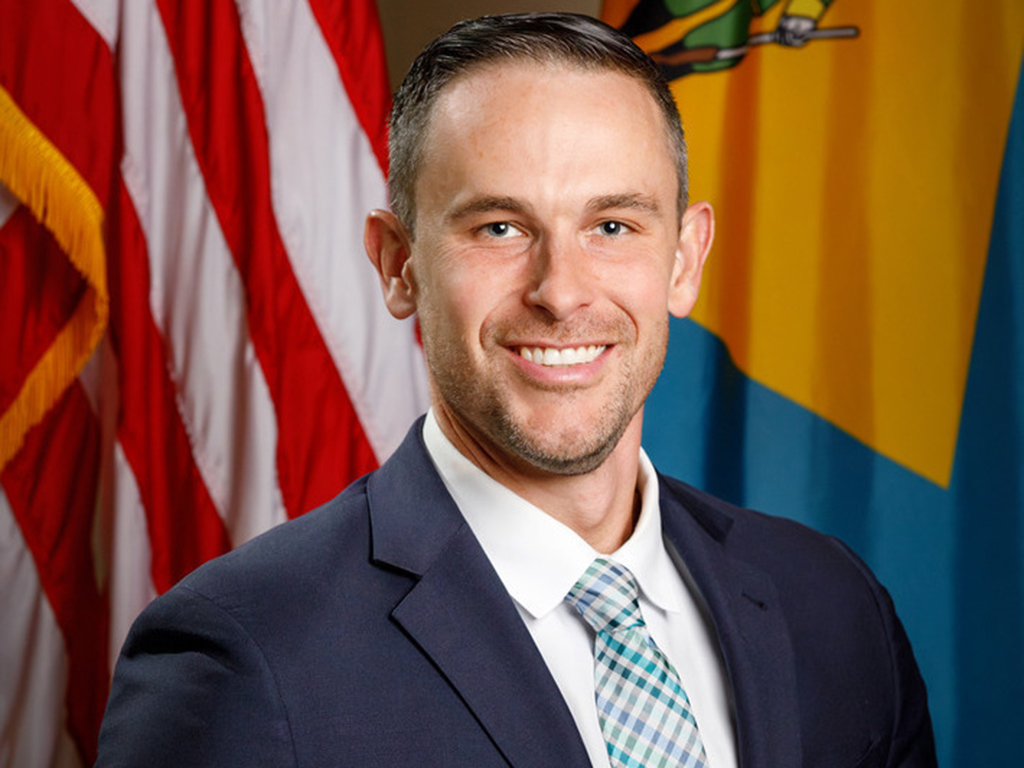
A bipartisan bill that promises to improve public health and reduce healthcare costs in Delaware was approved by the House this week, 39-0.
Sponsored by retired medical professional State Rep. Jeff Hilovsky (R-Long Neck, Oak Orchard), House Bill 305 provides a framework for a three-year observational study to reduce the incidence of Type 2 diabetes.
People with this condition do not respond properly to insulin, making it harder for glucose in the bloodstream to enter cells and provide energy. This impaired process causes high blood sugar levels that can, over time, damage the heart, kidneys, eyes, nerves, and other organs.
The chronic disease is a massive drain on resources. According to one recent study, treating people diagnosed with diabetes accounts for 1 in 4 healthcare dollars spent in the U.S. People with the disease have medical expenditures 2.6 times higher than what would be expected without it.
Before the vote on the bill, Rep. Hilovsky told his colleagues on the House floor that he witnessed this problem explode from uncommon to rampant over less than four decades. “When I first started practicing in 1983, I routinely examined about five diabetic patients a month,” he said. “By the time I retired in 2021, I was averaging 10 diabetic patients a day.”
After seeing the degradations and complications of diabetes firsthand, Rep. Hilovsky said he was committed to finding a way to reduce its incidence in Delaware.
The study proposed by the bill will follow a representative group of diabetic patients as they undergo a new, intensive approach to reverse the progression of the disease. The program will incorporate technology, regular testing, professional management, and incentives to improve outcomes.
Federally funded through the Federal Rural Health Transformation Program, the initiative will carry no direct cost to Delaware taxpayers.
According to Rep. Hilovsky, the cost of diabetes care in Delaware exceeds $1.1 billion annually. He said if the new protocol reduces this impact by just 5%, it would save taxpayers more than $50 million per year.
The bill is now pending action in the Senate Health & Social Services Committee.