Two bills filed in the State House of Representatives this week would impose new restrictions and requirements on energy drinks and other caffeinated beverages.
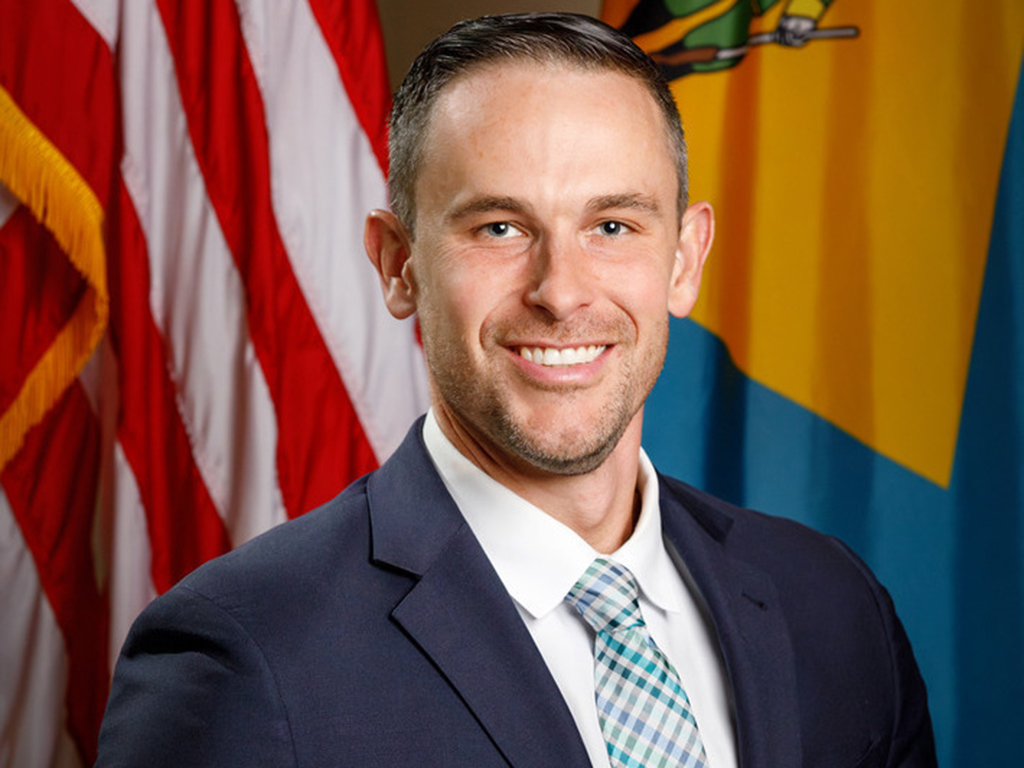
Both pieces of legislation are sponsored by State Rep. DeShanna Neal (D-Wilmington).
The first, House Bill 396, seeks to require certain beverage retailers to place warning symbols on their menus next to specific beverages with “high-caffeine” content, defined in the proposal as exceeding 100 mg per serving.
For comparison, a 12-ounce (oz) cup of brewed coffee may contain 113 to 247 milligrams (mg) of caffeine.
The legislation is unusually specific in its mandate. Only “retail food establishments with at least 20 locations globally” would be covered by the law, and only “hand-crafted beverages”—those requiring a barista, bartender, or server to create—would be impacted.
Bars and alcoholic beverages are exempt from the proposal, as would be “traditional coffee and tea beverages.”
The second bill, House Bill 394, is more ambitious in scope, proposing to prohibit retailers from selling energy drinks or caffeinated dietary supplements to anyone under 18.
“Energy drinks” are described in the measure as beverages that contain at least 100 milligrams of caffeine per 8 ounces, are advertised as specifically designed to provide energy, and generally contain certain vitamins and herbal ingredients.
The bill’s supporters note that the American Academy of Pediatrics recommends that children under 12 avoid caffeine entirely and that adolescents should consume no more than 100 milligrams per day.
Other observers, while agreeing that caffeine supplements, especially powdered caffeine, can be hazardous, question the logic and potential effectiveness of regulating energy drinks.
They note that caffeine sources, including coffees and black teas, are ubiquitous. Many soft drinks, like Mountain Dew (36 mg of caffeine per 8 oz. serving), contain significant amounts of caffeine. A 4.5-ounce serving of dark chocolate exceeds the 100 mg caffeine threshold cited in HB 394 & HB 396.
At present, no U.S. state bans the sale of energy drinks to minors, though bills to impose such restrictions have been introduced in several states, including New York, Massachusetts, Connecticut, and Indiana.
Both bills charge the Division of Public Health with regulating the proposed mandates and issuing fines for violations. The measures are pending action in the House Health & Human Development Committee.