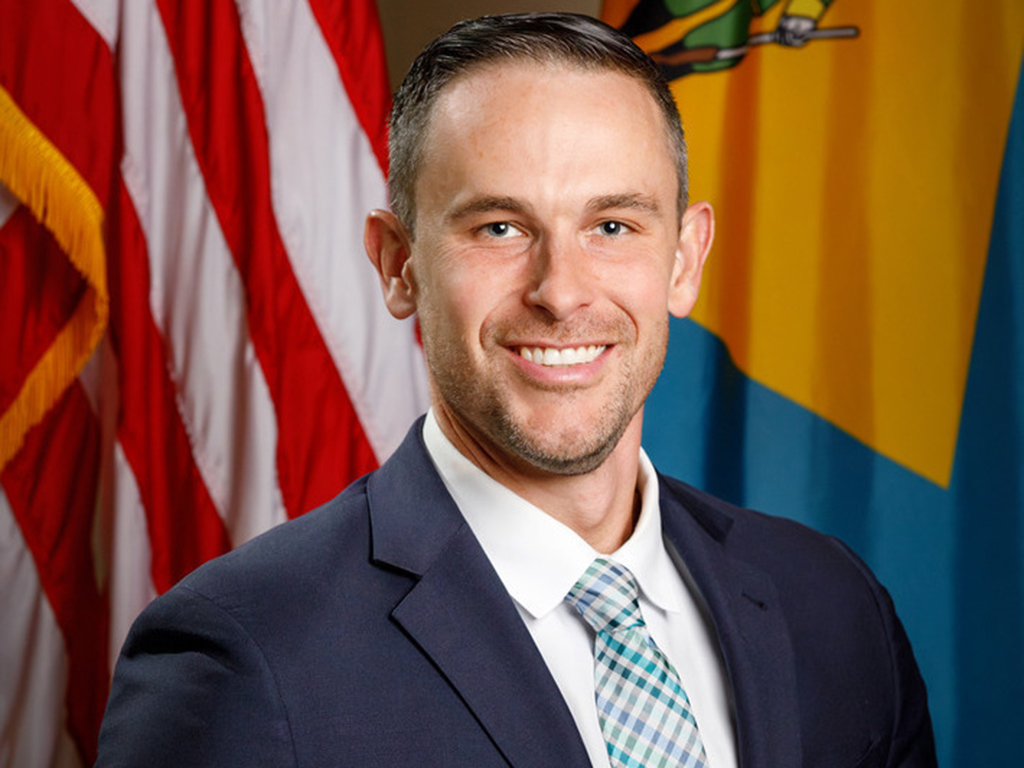
Governor Matt Meyer has signed bipartisan legislation to transition Delaware’s current emergency communications network to a Next Generation 911 (NG911) system.
The upgraded NG911 will replace Delaware’s legacy 911 system with a secure, internet protocol-based network that supports voice calls, text-to-911, and multimedia such as photos and videos. It will also improve caller location accuracy, strengthen data sharing with first responders, and enhance system resiliency during emergencies.
The technological improvements come with a price tag. House Bill 468 will raise the needed funds through a modest fee increase. Sponsored by State Reps. William Bush (D-Clayton, Cheswold, Wyoming) and Danny Short (R-Seaford) and State Sen. Nicole Poore (D-New Castle), the new law will increase the monthly 911 surcharge from 60 cents to 90 cents—the first hike in 25 years. The additional $4.5 million in annual revenue will fund the infrastructure, equipment, software, cybersecurity, and training needed to deploy and maintain the new state-of-the-art emergency communications network. The proposal won unanimous approval in the General Assembly.
“While the cost to Delaware households is minimal, less than $4 per year, I believe the benefits gained from next-generation 911 communications will be immeasurable,” said Rep. Short. “This investment will modernize our emergency communications system, equipping first responders with capabilities that improve response times, enhance situational awareness, and ultimately save lives, far outstripping the modest cost of implementing these new technologies.”
Delaware’s emergency communications professionals answer more than 700,000 voice 911 calls and process at least 20,000 text-to-911 messages each year. The statewide system includes eight Public Safety Answering Points (PSAPs), staffed by approximately 300 telecommunications specialists who provide 24-hour emergency dispatch services.