A bill seeking to increase public trust in Delaware elections is being held in committee.
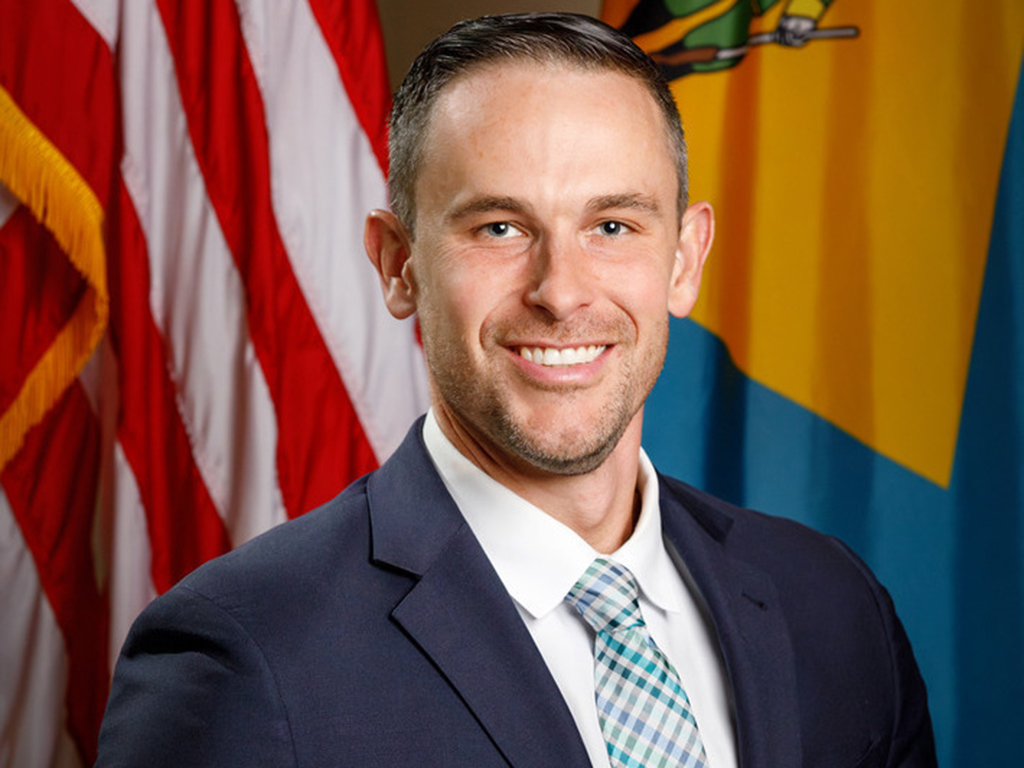
House Bill 112, sponsored by State Rep. Bryan Shupe (R-Milford South), would require a voter to provide photographic identification at the polls, specifically, a driver’s license, a nondriver identification card issued by the Division of Motor Vehicles, a United States Passport, or an official military identification card.
Rep. Shupe said he decided to introduce the bill after being contacted by a resident of his district who is a green card holder.
Green card holders can legally live and work permanently in the U.S., with rights similar to those of citizens, including the ability to obtain a driver’s license. However, they cannot vote.
Under a system administered by the Division of Motor Vehicles (DMV), people applying for a driver’s license are also automatically registered to vote. The so-called “Motor-Voter Law” requires the DMV to transmit to the Department of Elections information documenting voter eligibility. However, Rep. Shupe said that did not happen in this case, as the resident received a letter indicating she had been successfully registered to vote.
Rep. Shupe said HB 112 would add integrity to the voting process by establishing an additional check.
Past incarnations of voter identification proposals have drawn objections due to the cost of obtaining a state identification card, which could create a barrier to lower-income residents. To address that, HB 112 would require the DMV to issue initial nondriver identification cards at no cost.
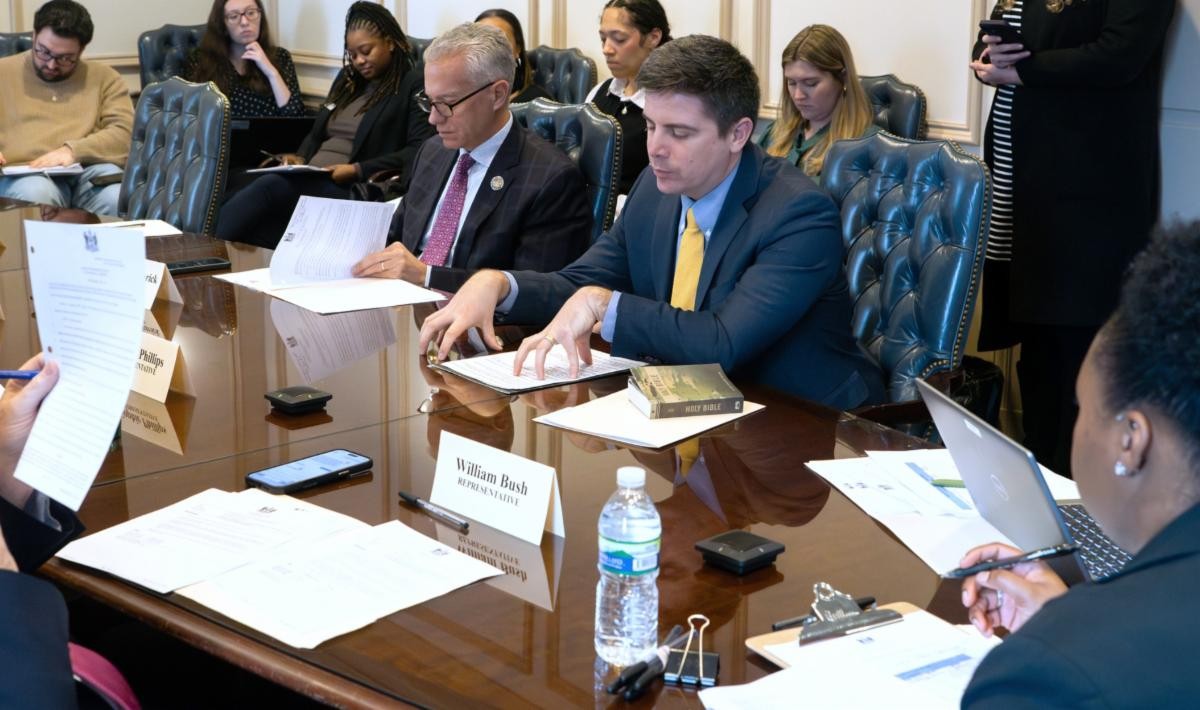
State Rep. Lyndon Yearick (R-Camden, Wyoming, Woodside) said he became a co-sponsor of the bill primarily because he was interested in expanding access to official identification to vulnerable Delawareans, who are often handicapped by its absence. “You cannot do anything without a valid form of ID,” he told the committee. “If we can reduce a barrier and make it easier for an individual to get a valid ID, I’m all in.”
Government-issued photo IDs are required for dozens of everyday actions, including entering court facilities, schools, and other government buildings. The purchases of certain products, including cigarettes, alcohol, marijuana, and prescription drugs, often require it, as do many bank and healthcare services. Hotels and motels require identification at check-in.
Opponents, including committee member State Rep. Eric Morrison (D-Glasgow), cited several sources, including the League of Women Voters, which claimed HB 112 would “disproportionately impact black people, the elderly, low-income, rural and student voters, and that it does not effectively address any real issues related to election integrity.”
Rep. Shupe challenged the committee members, asking them: “What is the argument against having a final check at the polls?”
State Election Commissioner Anthony J. Albence told the committee that under Delaware law, “there is no exhaustive list” of acceptable forms of ID for prospective voters. Poll workers are instructed to confirm ID and that items such as utility bills can be used for that purpose. He added that people unable to provide any supporting evidence of their citizenship and residency can sign an affidavit and swear an oath attesting to their valid status.
While he was disappointed that the bill failed to be released by the committee on a party-line vote, Rep. Shupe said he will continue working to improve voting integrity. “Two additional bills are currently being drafted that focus directly on the voter rolls themselves, including how information is verified and maintained. These bills will be circulated for sponsorship shortly.”